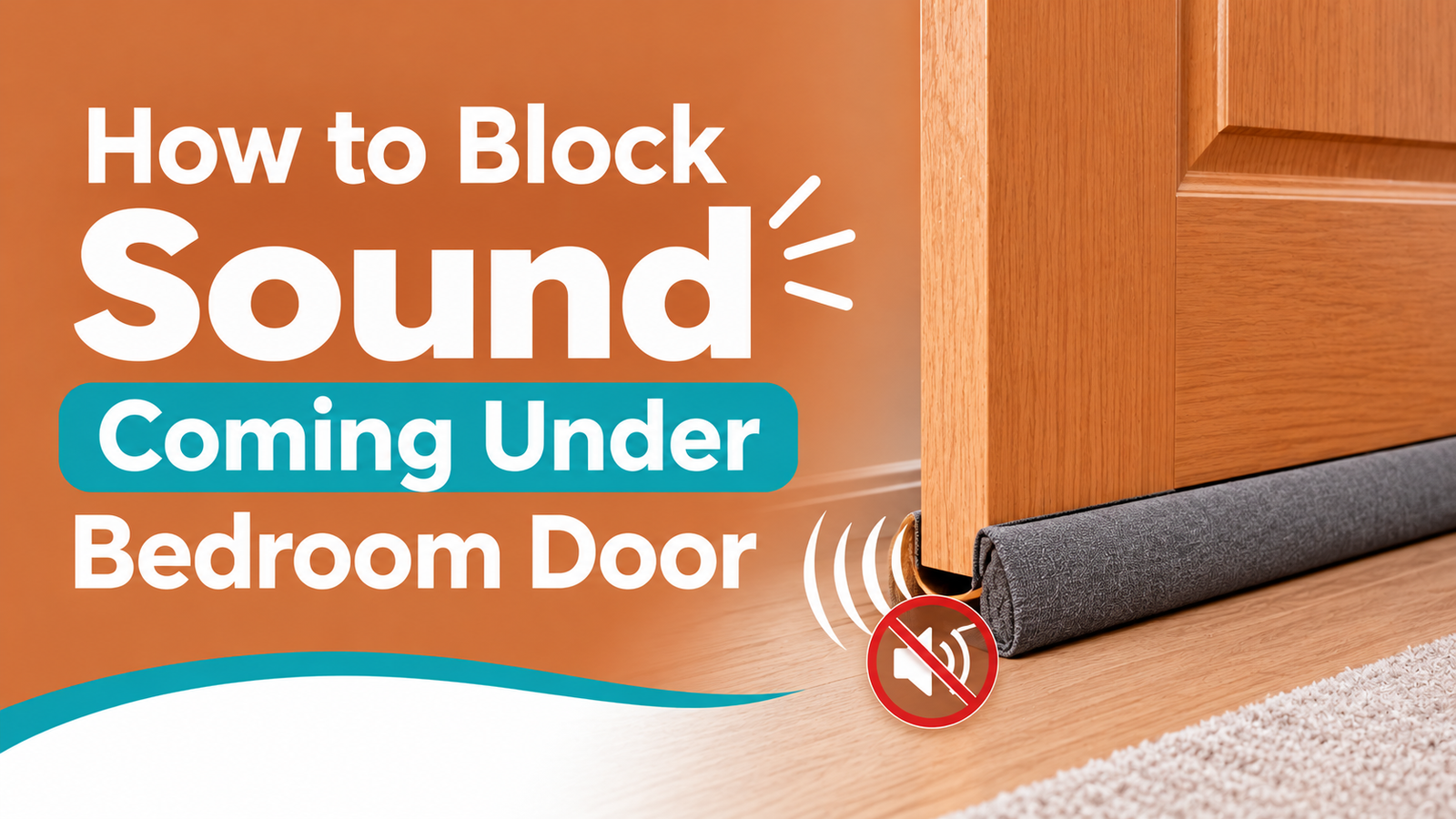
If you have ever lain in bed listening to the TV, the dishwasher, or someone’s late night phone call drift in through the gap at the bottom of your door, you already know how annoying it is. Learning how to block sound coming under the bedroom door is one of the easiest and cheapest ways to make your room feel calmer, and you rarely need to hire anyone or spend more than a few dollars to get a real improvement.
The reason that little gap causes so much trouble is simple. Sound travels through air, and wherever air can move, noise can follow. A door might be thick and solid, but a half inch of open space at the bottom lets sound slip straight through. Fix the gap, and you fix most of the problem. Here is how to do it properly.
Start by finding out how big the gap really is
Before you buy anything, crouch down and look at your door from the inside. Turn on a flashlight in the hallway, switch off your bedroom light, and see how much light leaks under the door. Light and sound behave in similar ways, so wherever light sneaks in, noise does too. Measure the gap with a ruler or even a stack of coins. Most bedroom doors have a gap between a quarter inch and one inch, and that number decides which fix suits you best.
While you are down there, also check the sides and the top of the door. Sometimes the frame has small spaces that let sound in as well. You can deal with those later, but it helps to know about them now.
Use a door sweep for a quick fix
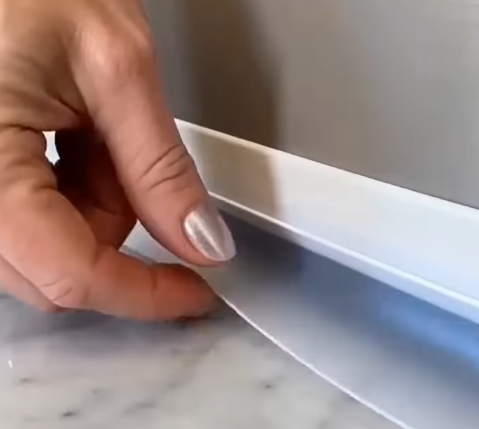
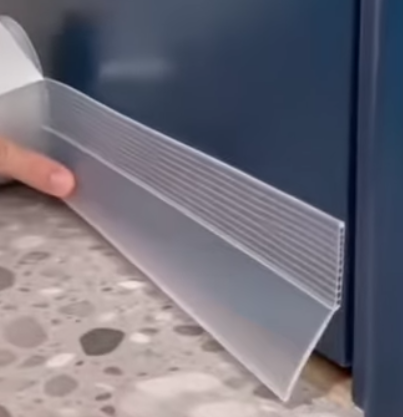
A door sweep is a strip of rubber, silicone, or felt that attaches to the bottom of your door and closes the gap. It is probably the most popular answer to this problem, and for good reason. It costs very little, takes about ten minutes to install, and works right away.
There are two main types. Adhesive sweeps simply stick to the door, which is great if you rent and cannot drill holes. Screw on sweeps are more durable and hold up better if the door gets opened and closed all day. Pick a sweep that is slightly wider than your door, then trim it with a hand saw or heavy scissors so it fits neatly. Make sure it touches the floor lightly without dragging, because a sweep that rubs too hard will wear out fast and make the door annoying to open.
If your floor is carpeted, look for a sweep with a softer, flexible fin. If you have hardwood or tile, a rubber or silicone fin usually seals better.
Try a door draft stopper if you want something removable
Sometimes you do not want to attach anything to the door itself. In that case, a draft stopper is a handy option. This is a long, heavy tube filled with fabric, sand, or foam that you slide along the bottom of the door on the inside. It blocks the gap and absorbs sound at the same time.
The downside is that you have to place it every time you close the door, and it can move around. You can also make one yourself by filling an old sock or a long piece of fabric with rice or sand. It is not the most elegant solution, but it works surprisingly well and costs almost nothing.
Add weatherstripping around the door frame
Once the bottom is dealt with, move on to the edges. Self adhesive foam or rubber weatherstripping applied around the door frame creates a tight seal when the door shuts. This stops sound from sneaking in around the sides and the top, which is something a door sweep alone cannot do.
Clean the frame with a damp cloth first so the adhesive sticks well. Then press the strip along the frame where the door touches it when closed. Shut the door and check that it still latches comfortably. If you have to slam it, the strip is too thick.
Consider a threshold or a door bottom seal for bigger gaps
If your gap is large, say more than an inch, a sweep may not be enough. A drop down door seal, sometimes called an automatic door bottom, is built into the door and lowers a rubber seal as you close it. It is more expensive and a little harder to install, but it gives a much tighter seal and still lets the door swing freely over carpet.
Another route is to add a threshold strip to the floor, which fills part of the gap from below. Combine it with a sweep and you can get excellent results even in older homes with uneven floors.
Do not forget the door itself
Sound can also pass through a thin, hollow door. If you have sealed the gaps and still hear plenty of noise, the door could be the weak spot. You can hang a heavy blanket or a moving blanket on the back of the door, attach acoustic foam panels, or add a layer of mass loaded vinyl. For a bigger upgrade, replacing a hollow core door with a solid core door makes a noticeable difference, though it costs more.
A thick curtain over the door, or a rug in the hallway outside it, can also soften noise before it even reaches the gap.
A few small habits that help
Keep the door fully closed at night, since even a slightly open door ruins the work you have done. If you share your home with people who are noisy at certain hours, a quick chat about quiet times can do more than any product. And if you still need extra help, a white noise machine or a simple fan can cover leftover sounds so you fall asleep more easily.
Frequently Asked Questions
What is the cheapest way to block sound under a bedroom door?
A homemade draft stopper or an adhesive door sweep is the cheapest option. Both cost very little, and either one can cut down noise noticeably within minutes.
Will a door sweep completely silence the noise?
No, it will not make the room perfectly silent, but it can reduce a lot of the sound that slips under the door. For better results, pair it with weatherstripping around the frame and consider upgrading a hollow door.
Can I install a door sweep if I rent my home?
Yes. Adhesive door sweeps are made for this situation. They stick on without drilling and can be removed later without damaging the door, though it is wise to check your lease if you are unsure.
How big of a gap is too big for a regular door sweep?
Most standard sweeps handle gaps up to about an inch. If your gap is wider than that, an automatic door bottom or a threshold strip will work better.
Do heavy blankets on the door really help?
They help more than most people expect. A thick blanket adds mass and absorbs sound, especially higher pitched noises like voices and TV chatter. It will not fix a big gap on its own, but it works well alongside a sweep.

I’m Alex Morgan, a soundproofing researcher at Sound Proof Guides. I enjoy exploring practical ways to reduce unwanted noise, improve room acoustics, and make living spaces more comfortable. Through my articles, I share easy-to-follow soundproofing guides, DIY solutions, helpful tips, and product recommendations to help readers find the right solutions for their noise problems.