If you have ever been woken up at 6 a.m. by what sounds like a bowling league practicing over your bed, you already know how draining this problem gets. Figuring out how to block noise from upstairs apartment neighbors is not just about comfort. It affects your sleep, your focus, and honestly your mood. The tricky part is that noise coming through a ceiling behaves differently from noise coming through a wall, so the usual quick fixes often disappoint. Here is what actually works, starting with the easiest options and moving toward the bigger projects.
Understand What Kind of Noise You Are Dealing With
Before you spend any money, listen carefully for a few days. There are two main types of noise, and they need different solutions.
Airborne noise is things like voices, TV audio, music, and barking dogs. It travels through the air and slips through gaps and thin ceilings. Impact noise is footsteps, dropped objects, moving furniture, and kids running. It travels through the structure of the building itself, which makes it much harder to stop.
Most complaints about upstairs neighbors are about impact noise, and that is the one that makes people feel stuck. Knowing which type is bothering you helps you pick the right fix instead of buying products that were never going to work.
Start With a Conversation
It feels awkward, but a friendly chat solves more problems than people expect. Many upstairs neighbors have no idea how much sound carries downward. They may not realize that the hardwood floors they love turn every step into a drumbeat below.
Keep it calm and specific. Instead of saying you are always loud, try mentioning that you can hear heavy footsteps late at night and asking if a rug or some slippers might be possible. People tend to respond well when they feel respected, and you may get a quick fix without any conflict. If the noise has a pattern, like a late night workout or an early morning routine, mention the timing so they know exactly what to adjust.
Involve Your Landlord When Needed
If talking does not help, check your lease. Most leases include a quiet enjoyment clause, and many buildings have quiet hours. Send your landlord or property manager a written message describing the noise, the times it happens, and how it affects you. Keep a simple log with dates and times. This record matters if you ever need to push the issue further or request a transfer to another unit.
Some landlords will require rugs or carpet padding in upper units, especially if the building has a rule about hard flooring. It is worth asking.
Cover the Ceiling Gaps and Weak Spots
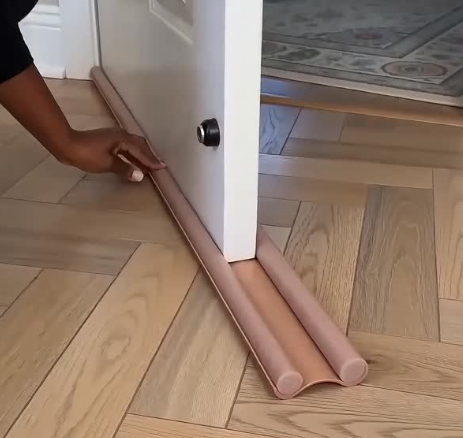
Airborne noise often sneaks in through small openings. Look around light fixtures, vents, smoke detector edges, and the spot where the ceiling meets the wall. Acoustic sealant, which stays flexible, can close small gaps around the edges. Recessed lights can be a surprising weak spot, so if you have them, ask your landlord whether covers designed to reduce sound transfer can be installed.
This will not fix heavy footsteps, but it can noticeably cut down voices and TV noise.
Add Mass and Absorption to Your Ceiling
If you are allowed to make changes, or you own the unit, adding weight to the ceiling is one of the most effective approaches. Sound struggles to move through dense material. Mass loaded vinyl is a heavy, flexible sheet that can be installed above a new layer of drywall. Adding a second layer of drywall with a damping compound between the layers can reduce noise significantly.
For a more serious result, resilient channels or sound isolation clips can separate the new ceiling from the original structure so vibrations do not pass straight through. This is real construction work and can be costly, so most renters will not go this route, but it is the closest thing to a true solution for impact noise.
If you rent and cannot alter the ceiling, thick acoustic panels mounted on the ceiling may help a little with echo and mid range sound. Be realistic though. Foam panels look like they should help, but they mostly improve the sound inside your room rather than blocking noise from above.
Rearrange Your Space
This one is simple and underrated. If the noise comes mostly from one area above you, such as the living room or the kitchen, try moving your bed or desk away from that zone. Sleeping under a quiet bedroom instead of directly below a loud hallway can make a big difference.
Heavy bookshelves, large furniture, and thick rugs on your own floor help absorb general noise and reduce echo, which makes the remaining sound feel less sharp.
Use Sound Masking and Personal Tools
Sometimes the best answer is not stopping the noise completely but making it less noticeable. A white noise machine, a fan, or a brown noise app can cover the low rumble and muffled voices that keep your brain on alert. Brown noise in particular tends to work well against low frequency thumping.
For sleeping, soft foam or silicone earplugs are cheap and effective. For daytime work, noise canceling headphones can handle steady background sounds, though they are weaker against sudden bangs. None of these are perfect, but combined with other steps they can bring real relief.
Know When to Consider Moving
If you have tried everything and the building simply has thin floors and inconsiderate habits upstairs, it may be worth thinking about a different unit or building. When touring apartments, ask what type of flooring the upper units use, check whether the building is concrete or wood framed, and visit at different times of day if you can. Concrete buildings with carpeted or well padded upper floors are generally much quieter.
Frequently Asked Questions
What is the cheapest way to block noise from upstairs neighbors?
White noise machines, earplugs, and rearranging your furniture are the lowest cost options. Asking your neighbor to add rugs or pads under furniture also costs you nothing.
Do soundproof curtains or foam panels work for ceiling noise?
Not very well. Curtains and foam mostly reduce echo inside your room. They do very little against noise traveling through the ceiling, especially footsteps.
Can I install soundproofing in a rented apartment?
You usually need your landlord’s permission for anything permanent. Removable options like sealing small gaps with approved materials, using rugs, and adding furniture against walls are safer choices for renters.
Why can I hear footsteps so clearly even with carpet in my unit?
Footsteps are impact noise that travels through the building structure, not the air. Carpet in your own apartment does not stop vibrations coming from the floor above, which is why the fix often needs to happen on their side or inside the ceiling structure.
When should I report upstairs noise to the landlord or authorities?
Report it if polite requests have not worked and the noise keeps happening, especially during quiet hours. Keep a written log with dates and times. Contact local authorities only if the noise is extreme or you have no response from your landlord.

I’m Alex Morgan, a home improvement enthusiast and soundproofing researcher at Sound Proof Guides. I enjoy exploring practical ways to reduce unwanted noise, improve room acoustics, and make living spaces more comfortable. Through my articles, I share easy-to-follow soundproofing guides, DIY solutions, helpful tips, and product recommendations to help readers find the right solutions for their noise problems. My goal is to make soundproofing easier to understand and accessible to everyone.