

You move into a new apartment, clap your hands once, and the sound bounces around like you’re standing in an empty gym.
Voices sound harsh, video calls feel awkward, and even the TV seems too loud. Most people assume the only cure is a wall of foam or fabric panels, but learning how to reduce room echo without acoustic panels is easier than it sounds, and you can usually do it with things you already own or can pick up cheaply. Echo is just sound bouncing off hard surfaces. Give it softer, bumpier things to hit, and it fades.
Why Your Room Echoes in the First Place
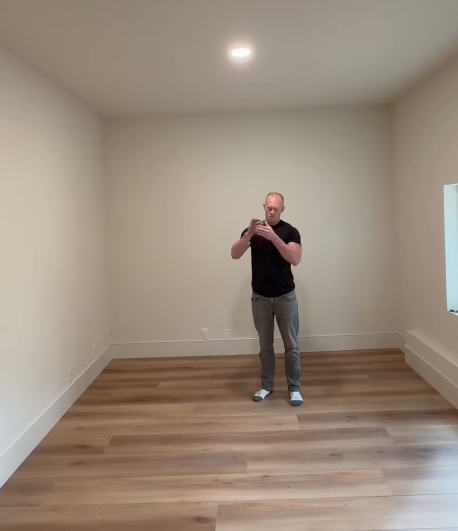
Sound waves travel outward until they hit something. A hard, flat surface like a bare wall, a tile floor, or a large window sends most of that energy straight back into the room. When a lot of surfaces do this at once, the reflections pile up, and you hear a hollow, ringing sound.
Empty rooms are the worst offenders. With no furniture, no rugs, and nothing on the walls, there is nothing to absorb or scatter the sound. The goal is not to make the room silent. It’s to break up and soak up those reflections so the space sounds natural and warm.
Start with a Big Rug
Floors are one of the largest surfaces in any room, so they’re a smart place to begin. A thick rug does a lot more than a thin one. Look for something with a dense pile, and slide a rug pad underneath for extra absorption. The pad is a sneaky upgrade because it adds cushioning that soaks up sound, especially lower and middle frequencies.
If you have hardwood or tile, cover as much of the floor as you reasonably can. A small decorative rug in the middle won’t change much. A large one that reaches under the sofa and coffee table will.
Hang Heavy Curtains
Windows are glass, and glass bounces sound beautifully, which is exactly the problem. Thick curtains soak up a lot of that reflection. Choose heavy fabrics like velvet, wool blends, or lined cotton, and hang them wider than the window so they fold and ripple instead of lying flat. Those folds matter, because they scatter sound as well as absorb it.
Let the curtains reach the floor if possible. Even when they’re open during the day, they still help by breaking up the wall surface.
Bring in Bookshelves and Fill Them
A bookshelf full of books is one of the best echo fighters you can buy, and it doesn’t look like soundproofing at all. Books have uneven edges and different depths, so they scatter sound in all directions. Place a shelf against a bare wall, especially the one facing your main seating area or desk.
Don’t line everything up perfectly. A mix of book sizes, small plants, and baskets makes the surface even more irregular, which helps. Think of it as texture for your ears.
Add Soft Furniture
Upholstered sofas, armchairs, ottomans, and cushioned dining chairs all absorb sound. If your room feels bouncy, swapping a leather or wooden piece for a fabric one can make a noticeable difference. Throw pillows and blankets help too, and they cost almost nothing.
A bed is a great example. Bedrooms often sound calmer than living rooms because of the mattress, bedding, and pillows. You can borrow that idea in any room by adding layers of soft materials.
Use Wall Hangings and Tapestries
Bare walls are echo magnets. Hang large fabric pieces, quilts, tapestries, or thick framed canvas art to cover some of that space. Fabric is the key, since a glass framed print will reflect sound just like the wall did.
If you like the look, hang a heavy blanket or quilt behind your desk or above your sofa. Leave a small gap between the fabric and the wall if you can, because the air pocket improves absorption.
Break Up Large Flat Surfaces
Sound doesn’t just get absorbed. It can also be scattered, and scattering stops the ringing effect. Anything with an uneven surface helps. Think of tall plants, wall shelves with varied items, decorative baskets, or a ladder style shelf with mixed objects.
Large leafy plants are underrated here. They won’t absorb a ton, but they scatter high frequencies and make the room feel less sterile.
Treat the Ceiling If You Can
Ceilings are often forgotten, yet they’re big flat surfaces too. In a rental, you can’t do much, but a few options exist. A fabric canopy over a bed or seating area, a large hanging fabric banner, or even a woven pendant light can help a little. In a home you own, a textured or fabric covered ceiling treatment makes a stronger difference.
Try Simple DIY Absorbers
If you want something closer to panels without buying them, you can make your own. Fill a wooden frame with thick insulation wrapped in breathable fabric, or stuff a large pillow case with dense batting and prop it in a corner. Corners tend to trap low frequency sound, so soft items stacked there work well.
Even a stack of folded moving blankets draped over a clothes rack can calm a room for a recording session or video call. It’s not pretty, but it’s effective and easy to put away.
Check Your Results
After you make a change, clap again and listen. The sharp ringing should fade faster. Another easy test is to talk normally and notice whether your voice feels clearer. You don’t need fancy equipment. Trust your ears, and add one new layer at a time until the room feels comfortable.
Frequently Asked Questions
What is the fastest way to reduce echo in a room?
Adding a large thick rug and heavy curtains usually gives the quickest improvement. Both cover big surfaces, so they cut a lot of reflection with very little effort.
Do plants really help with echo?
A little. Plants scatter sound more than they absorb it, so they work best as part of a bigger plan that includes rugs, curtains, and soft furniture.
Can I reduce echo in a rented apartment?
Yes. Rugs, curtains, bookshelves, tapestries, and cushioned furniture all work without drilling or damaging walls. You can take everything with you when you move.
Will furniture alone fix a very echoey room?
It often fixes a mild echo, and it can help a lot in an empty room. For very large or tall spaces, you may need to combine several methods to get a comfortable result.
Why does my room still echo after adding a rug?
Sound is bouncing off other bare surfaces, mainly walls, windows, and the ceiling. Add fabric or irregular items to those areas, and the echo should drop further.

I’m Alex Morgan, a soundproofing researcher at Sound Proof Guides. I enjoy exploring practical ways to reduce unwanted noise, improve room acoustics, and make living spaces more comfortable. Through my articles, I share easy-to-follow soundproofing guides, DIY solutions, helpful tips, and product recommendations to help readers find the right solutions for their noise problems.