
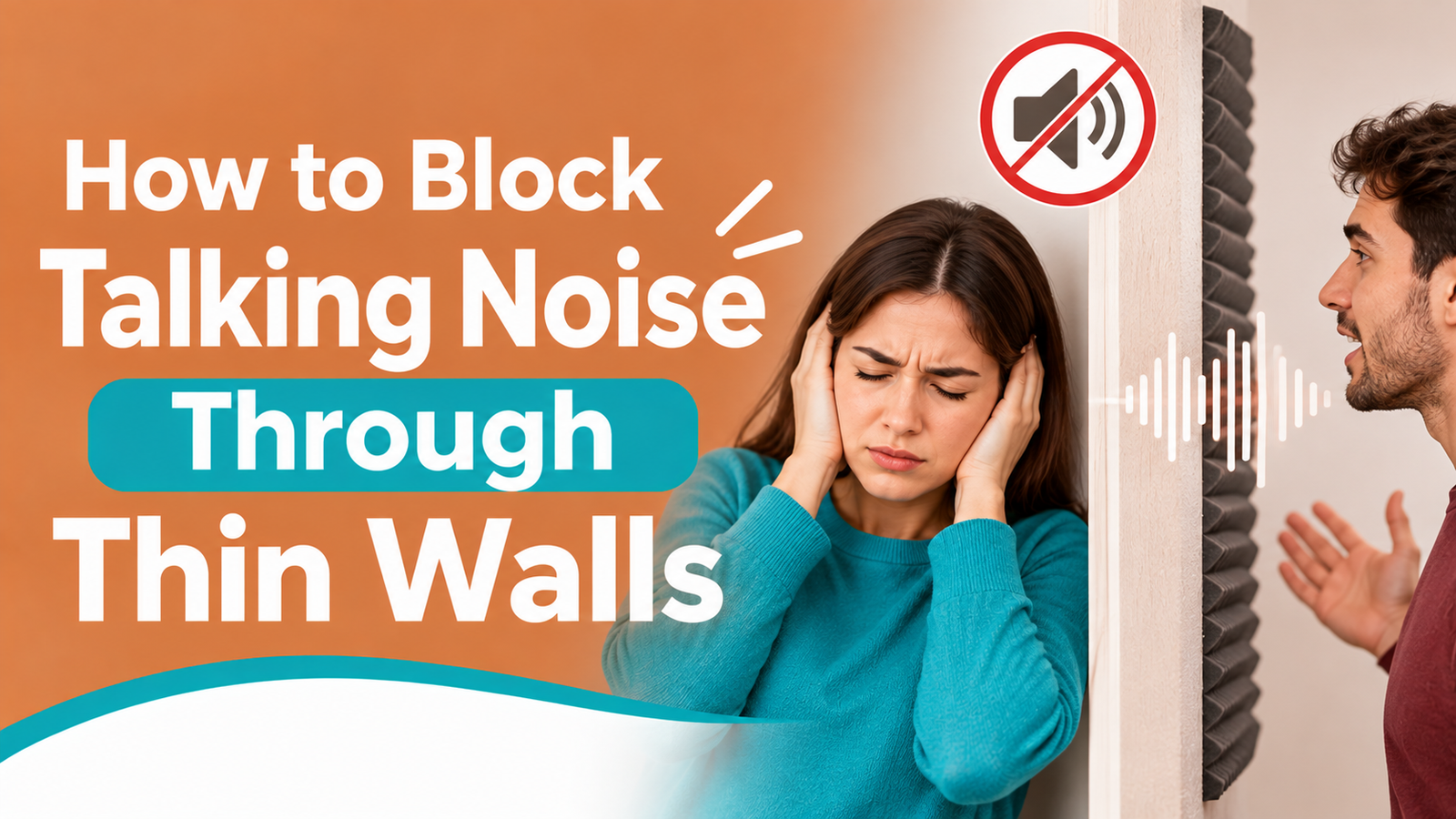
If you have ever tried to work, sleep, or just relax while your neighbor’s conversation drifts through the wall like they’re sitting in your living room, you already know how maddening it is. Learning how to block talking noise through thin walls doesn’t require a huge budget or a construction crew. It takes a bit of understanding about why voices travel so easily, and then a mix of smart, practical fixes that fit your space and your rental agreement.
Why Voices Come Through So Clearly
Human speech sits in the mid frequency range, roughly between 300 and 3,000 Hz. Thin walls, especially those made of a single layer of drywall with hollow space behind it, vibrate easily at these frequencies. The wall basically acts like a drum skin, picking up sound on one side and releasing it on the other. Gaps around outlets, vents, and door frames make things worse, because sound slips through any opening it can find.
So the goal is really three things: add mass, absorb sound, and seal gaps. Most good solutions combine at least two of those.
Start by Sealing the Gaps
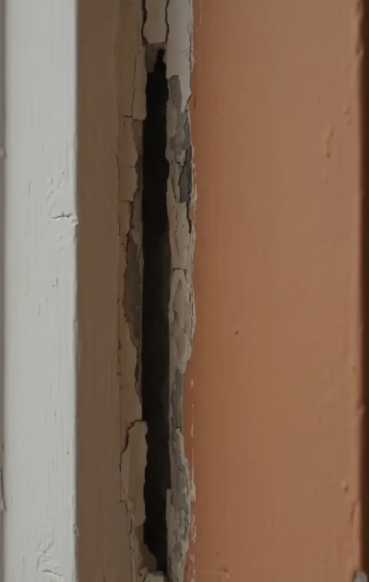
This is the cheapest fix and often the most overlooked. Walk around your room and check for small openings. Look at the edges of the wall where it meets the ceiling and floor, around electrical outlets, and under the door.
Acoustic caulk is the best tool here. Unlike regular caulk, it stays flexible and keeps absorbing vibration instead of cracking over time. Run a bead along any visible seams. For outlets on the shared wall, you can buy foam gaskets that sit behind the cover plate. They cost very little and make a surprising difference.
Add Mass to the Wall
Heavy, dense materials stop sound better than light ones. If you own your place or have permission to make changes, there are a few good options.
Mass loaded vinyl is a thin, heavy sheet that you can hang or attach to the wall. It adds a lot of density without taking much space. Another route is adding a second layer of drywall with a damping compound like Green Glue between the layers. This is more work, but it is one of the most effective ways to cut down voices.
If you rent, full construction is usually off the table, so keep reading for options that don’t touch the wall.
Use Furniture as a Sound Barrier
A tall, packed bookshelf against the shared wall works better than most people expect. Books are dense, and the uneven surface breaks up sound waves. Fill it fully, with no empty gaps, and place it directly against the wall.
Wardrobes, dressers, and even a large couch can help too. Clothes inside a closet act as natural sound absorbers, so if you have a closet on the shared wall, you have a built in advantage. Consider putting your bed or desk on the opposite side of the room if you can.
Hang Heavy Acoustic Panels or Thick Curtains
Acoustic foam panels are popular, but they mostly reduce echo inside your room rather than block sound coming through the wall. Still, when combined with other methods, they help take the edge off. Thicker fabric panels or dense moving blankets hung on the wall do a bit more, since they add some mass along with absorption.
Heavy soundproof curtains work the same way for windows, which matters if your neighbor’s voices travel through shared outdoor spaces too.
Rugs, Carpets, and Soft Surfaces
Hard surfaces bounce sound around and make voices seem louder and clearer. Adding rugs, cushions, and soft furnishings lowers the overall echo in your room. It won’t stop the noise entering, but it will make what gets through feel quieter and less sharp.
Try White Noise or Sound Masking
Sometimes blocking everything is not realistic, and that is okay. Masking the sound can be just as helpful for your mental peace. A white noise machine, a fan, or a soft rain sound playing at a low level can cover up the sudden rise and fall of conversation. The brain is far more annoyed by intelligible speech than by steady background sound, so even a gentle hum helps you stop tuning in to the words.
Place the machine close to the shared wall for best results.
Use Earplugs or Noise Cancelling Headphones

For nights when you just need to sleep, high quality foam earplugs or noise cancelling headphones are a reliable backup. Look for earplugs with a high noise reduction rating, and try a few types until you find a pair that is comfortable enough to wear all night.
Talk to Your Neighbor
It sounds simple, but a friendly conversation can solve more than any product. Many people have no idea how far their voices carry. You can politely mention it, and they may agree to move their TV or hangouts away from the shared wall, or lower their volume at night. If it keeps happening, check your lease or building rules about quiet hours before involving the landlord.
A Realistic Combination That Works
If you want the best result without overspending, here is a sensible order to follow. Seal the gaps first, then place a full bookshelf against the wall, add a rug and heavy curtains, and use a white noise machine at night. For long term peace in a place you own, add mass loaded vinyl or extra drywall with damping compound.
No single fix will turn a thin wall into a recording studio, but layering these methods can bring the noise down from “I can hear every word” to “barely noticeable.”
FAQs
What is the cheapest way to block talking noise through thin walls?
Sealing gaps with acoustic caulk and rearranging furniture, like putting a full bookshelf against the wall, costs very little and gives noticeable results. Adding a white noise machine is another low cost option.
Do egg cartons work for soundproofing?
Not really. Egg cartons are a common myth. They are too light and thin to block sound, and they do almost nothing for noise passing through a wall.
Can I soundproof a wall if I am renting?
Yes. You can use freestanding furniture, heavy curtains, removable acoustic panels, door seals, rugs, and white noise machines. None of these require permanent changes to the wall.
Do acoustic foam panels stop neighbors’ voices?
They mainly reduce echo within your room. They help a little but won’t block voices on their own. Dense materials like mass loaded vinyl are far more effective for blocking sound.
Is white noise really effective against talking?
Yes, in most cases. Steady background sound masks the changes in pitch and rhythm that make speech so noticeable, which makes the conversation next door much easier to ignore.

I’m Alex Morgan, a soundproofing researcher at Sound Proof Guides. I enjoy exploring practical ways to reduce unwanted noise, improve room acoustics, and make living spaces more comfortable. Through my articles, I share easy-to-follow soundproofing guides, DIY solutions, helpful tips, and product recommendations to help readers find the right solutions for their noise problems.