
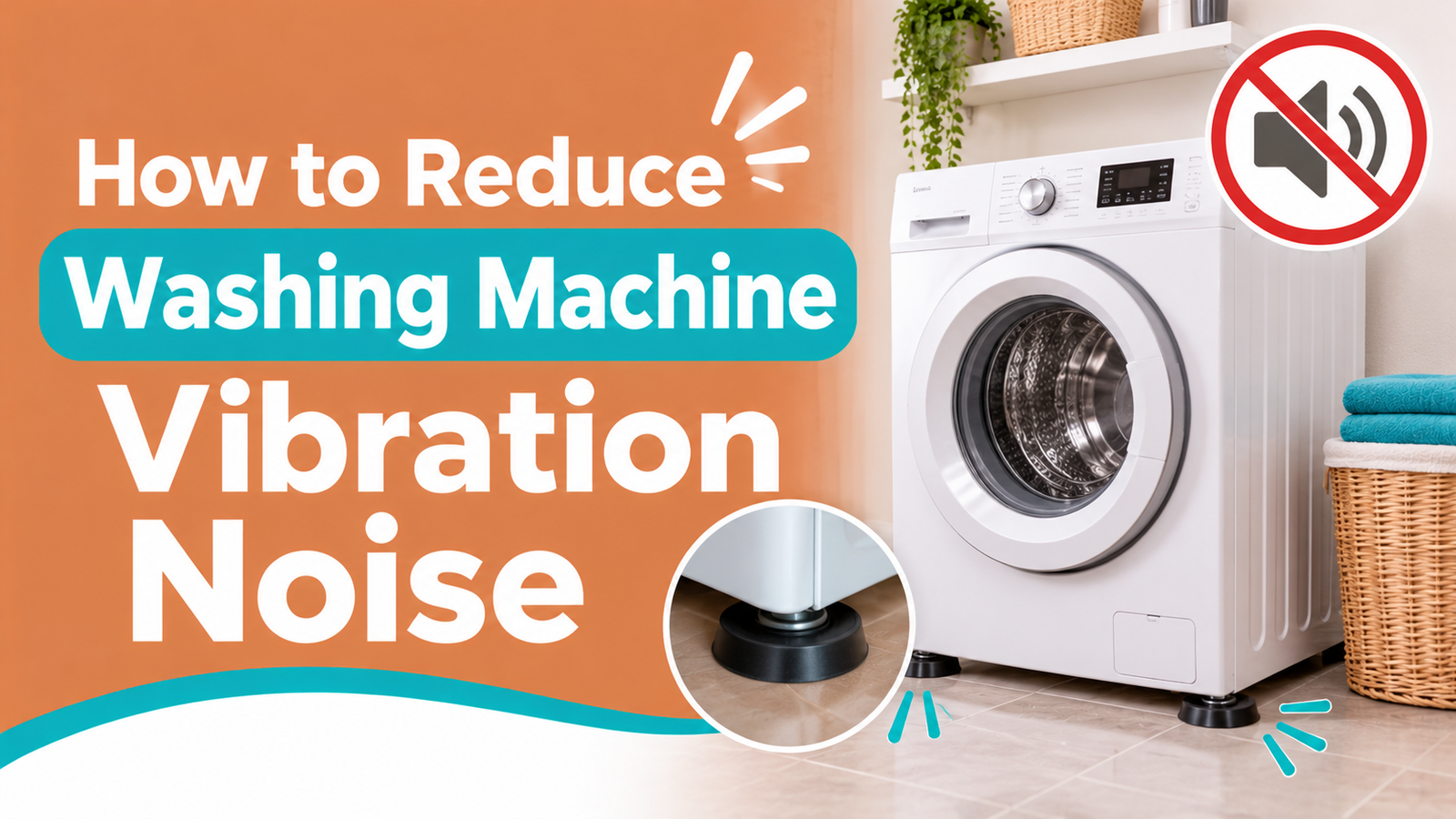
If you are wondering how to reduce washing machine vibration noise, you are not alone. Almost everyone has stood in the kitchen while the spin cycle turns the whole house into a construction site. The good news is that most of the time the fix is simple, cheap, and takes less than an hour. You rarely need a technician or a new machine. You just need to work out why it is shaking and deal with that cause.
Start With the Floor and the Feet
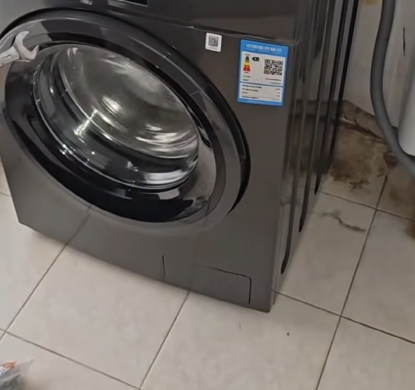
Before you touch anything inside the machine, look at what it is standing on. A washer spinning at over 1,000 rotations a minute pushes a lot of force into the floor, and a weak or uneven surface makes that force much louder.
Check that the machine sits level. Place a small spirit level on top and look at both directions, side to side and front to back. Most washers have four adjustable feet. Turn each one until the bubble sits in the middle, then tighten the lock nut against the base so the foot cannot drift. Give the machine a firm push on each corner. If it rocks even slightly, one foot is still floating and needs another turn.
A wooden or suspended floor is a different story. Planks flex and amplify noise like the body of a guitar. If you can, move the washer closer to a wall where the floor joists are stronger, or place a sturdy plywood board under the machine to spread the load.
Remove the Transit Bolts
This one catches people out more than you would think. New washers ship with bolts or spacers at the back that hold the drum steady during delivery. If they were never removed, the drum cannot float on its springs, and the machine will bang and shake violently.
Look at the rear panel for three or four large bolts, often with plastic caps or rubber plugs in the holes. Your manual will show the exact spots. Remove them with a spanner, cover the holes with the plugs that came in the box, and keep the bolts in case you move house one day.
Add Anti Vibration Pads
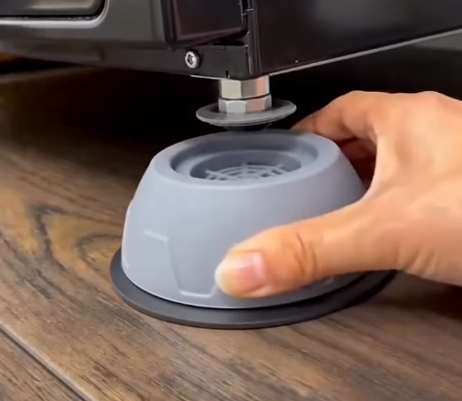
Rubber vibration pads are one of the best value fixes you can buy. They are thick rubber or foam blocks that sit under each foot and absorb the shock before it travels into the floor. They also stop the machine from slowly walking across the room.
Choose pads rated for the weight of your washer, and put the machine on them after levelling, then check the level again because the pads add height. A set of four usually costs very little and often cuts the noise noticeably, especially on tiles or hard floors.
Don’t Overload or Underload
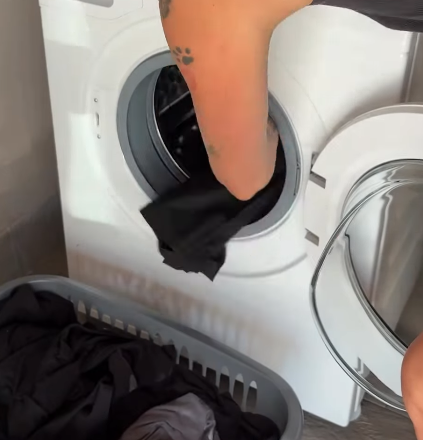
Laundry habits matter more than people realise. A drum that is stuffed full cannot tumble properly, so the clothes clump together and throw the machine off balance. On the other hand, one heavy towel on its own can do the same thing because there is nothing to balance it.
Fill the drum about three quarters full and leave a hand’s width of space at the top. Mix large and small items when possible. If you are washing a single bulky item like a duvet or a bath mat, add a couple of lighter pieces so the weight spreads out. Most modern machines will try to rebalance, but you will hear the thumping while they struggle.
Check the Drum and Suspension
If the noise has crept up gradually over months, the internal parts may be wearing out. The shock absorbers (called dampers) and springs hold the drum steady, and when they weaken, the drum bounces around during the spin.
Open the door and push down on the drum when the machine is empty. It should resist and return slowly. If it bounces freely or feels loose, the dampers are probably worn. Replacing them is a job many people do at home with a few tools and a video tutorial, though if you are unsure, a repair visit is worth the money compared with buying a new washer.
Also look for coins, hair clips, or other small objects trapped in the drum seal or the pump filter. They can rattle loudly and are easy to miss.
Mind the Hoses and Surroundings
Sometimes the machine itself is fine and the noise comes from what it touches. Stiff water hoses pressed against the wall will hum and buzz. Pull the washer out a little and make sure the hoses and power cable are not rubbing on anything. Leave a gap of a few centimetres between the machine and the wall, and keep it clear of cabinets or the dryer, which can carry vibration from one appliance to the other.
When to Call a Professional
If you have levelled the machine, removed the transit bolts, added pads, and loaded it correctly, but it still sounds like it is trying to escape, something deeper is likely wrong. Worn drum bearings produce a deep rumbling or grinding sound, and that repair can cost nearly as much as a new machine on older models. Get a quote first and decide whether the washer has enough life left to justify it.
Frequently Asked Questions
Why does my washing machine shake so much during the spin cycle?
The spin cycle is the fastest and most forceful part of the wash. Shaking usually comes from an unbalanced load, an unlevel machine, or leftover transit bolts. Check those three first before assuming something is broken.
Do anti vibration pads really work?
Yes, they do, particularly on hard floors like tile or concrete. They will not fix an overloaded drum or a worn suspension, but they cut down the noise that travels through the floor and help stop the machine from moving around.
Is it safe to keep using a washer that vibrates heavily?
Mild vibration is normal, but heavy banging can damage hoses, the drum, and even your flooring over time. If the machine is walking across the room or hitting the wall, stop and fix the cause before running more loads.
Can I put my washing machine on a wooden board to reduce noise?
You can, as long as the board is thick, solid, and secured so it does not shift. A plywood base can spread the weight on weak floors. Pair it with rubber pads for the best result.
How do I know if the dampers need replacing?
Press down on the empty drum. If it bounces up and down several times instead of settling quickly, or if the noise has grown worse over the years with no other cause, worn dampers are a likely culprit.
Most washing machine noise comes down to small, fixable things. Work through them in order, from the floor up to the drum, and there is a good chance your laundry days will go back to being quiet.

I’m Alex Morgan, a soundproofing researcher at Sound Proof Guides. I enjoy exploring practical ways to reduce unwanted noise, improve room acoustics, and make living spaces more comfortable. Through my articles, I share easy-to-follow soundproofing guides, DIY solutions, helpful tips, and product recommendations to help readers find the right solutions for their noise problems.