
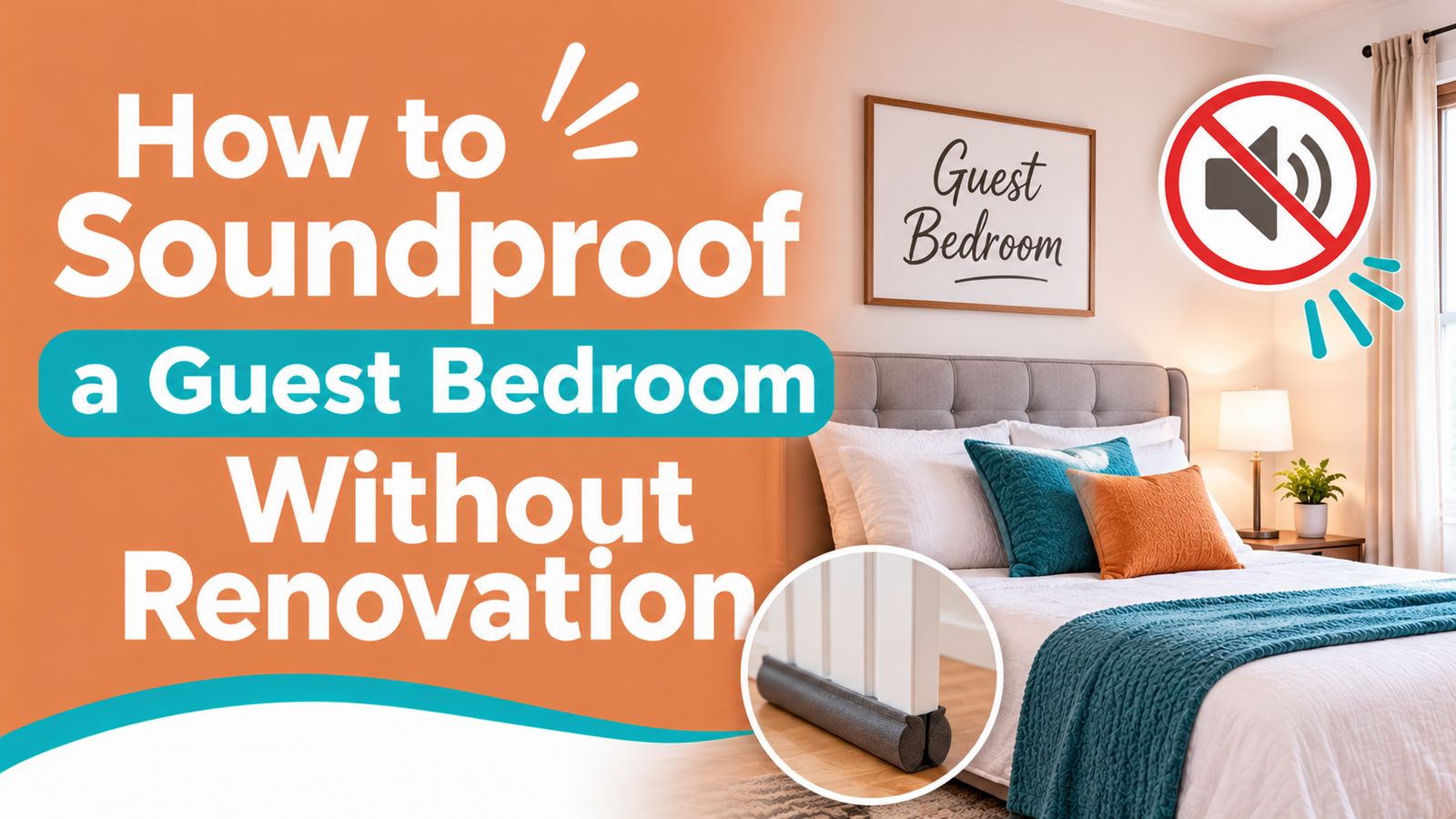
If you’ve ever had a guest wince at the sound of your TV or lie awake listening to the street outside, you already know why people search for how to soundproof a guest bedroom without renovation. The good news is that you don’t need to open up walls or hire a contractor. Most noise problems come from a handful of weak spots, and you can fix nearly all of them over a weekend with simple, affordable materials.
Start by finding where the noise actually gets in
Before buying anything, spend ten minutes in the room figuring out what you’re dealing with. Have someone play music or talk in the next room while you stand in the guest bedroom with the door closed. Move around and listen. You’ll usually notice that sound is not coming through the whole wall evenly. It sneaks in through the gap under the door, around the window frame, through an electrical outlet, or through a thin hollow door.
This matters because soundproofing works best when you block gaps first and add mass second. Sound behaves a lot like water. It finds the smallest opening and pours through it.
Seal the gaps around the door
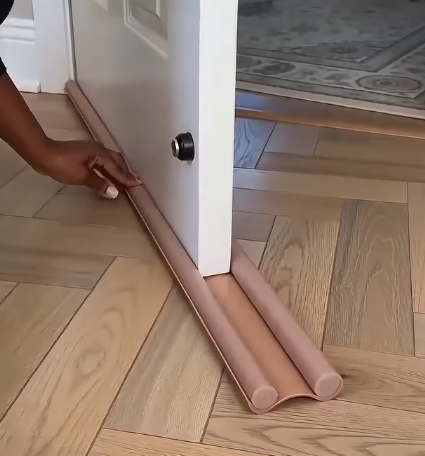
The door is almost always the biggest offender. A standard interior door is hollow and thin, and the gap at the bottom can be half an inch or more.
Start with a door sweep or an automatic door bottom, which is a strip that fits along the base of the door and closes the gap against the floor. Next, add adhesive weatherstripping around the door frame so the door seals tightly when closed. Foam or rubber strips both work, and they cost very little.
If the door itself is hollow, you can hang a heavy moving blanket or a thick curtain on the hallway side. It looks a bit odd on its own, but a tidy door panel or a decorative tapestry hides it nicely. For a bigger improvement, you can swap a hollow door for a solid core one, though that is more of an upgrade than a quick fix.
Deal with the windows
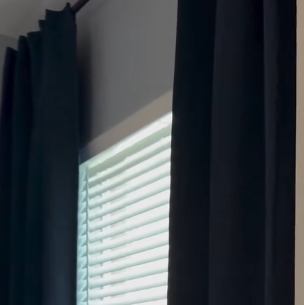
Windows let in traffic, neighbors, and weather noise. Thick blackout or acoustic curtains help more than people expect, especially when they are lined and hang close to the glass. Choose the heaviest fabric you can find and let it extend past the window frame on each side and down to the floor.
For stronger results, you can try window inserts. These are acrylic panels that press into the frame and create an air gap, which cuts a lot of outside noise. Some are removable, which is ideal for renters. Also run a bead of acoustic caulk or use removable rope caulk along any visible gaps around the frame.
Add mass and softness to the walls
Hard, bare walls reflect sound around the room, which makes everything feel louder. Adding soft or dense items breaks that up.
A large bookshelf filled with books placed against the shared wall is one of the best tricks, because books are dense and the shelf adds depth. Heavy wall hangings, thick quilts, or fabric panels work too. If you want something more purpose built, adhesive acoustic panels are easy to apply and come in plenty of colors, so they can look like deliberate decor.
Keep in mind that foam panels mostly reduce echo inside the room rather than stopping sound from passing through. They help the room feel calmer, but for blocking noise from outside you need mass, like a bookcase or a mass loaded vinyl barrier hung behind a decorative layer.
Cover the floor
If your guest room sits above a living area or has hard flooring, sound travels through the floor in both directions. A thick rug with a dense rug pad underneath makes a noticeable difference. Aim for the largest rug the room can handle rather than a small accent piece. Wall to wall coverage is ideal, but even a large area rug placed under the bed will soften footsteps and muffle voices.
Don’t forget the small leaks
Electrical outlets and switch plates on shared walls can leak sound. You can buy inexpensive foam outlet sealers that sit behind the cover plate. Vents are trickier because you don’t want to block airflow, but you can sometimes reduce noise by placing a bit of fabric or a sound baffle near the opening. Just make sure the room still gets proper ventilation.
Rearrange the furniture
Furniture can act as a sound barrier if you place it thoughtfully. Put a wardrobe or dresser against the wall that borders the noisiest part of the house. Push the bed away from the thinnest wall if possible. A headboard with padding or a fabric upholstered frame also absorbs some sound near where your guest sleeps.
Add a little white noise
Sometimes the most practical fix is not blocking sound completely but masking it. A small white noise machine or a quiet fan on the bedside table covers sudden sounds like a closing door or a passing car. Guests often appreciate this and may not even realize why they slept so well.
A realistic expectation
It’s worth being honest here. Without construction, you will not get a studio level silent room. What you can do is cut a noticeable amount of noise, often enough to turn an annoying room into a comfortable one. Combining several small changes works far better than relying on any single product.
FAQs
What is the cheapest way to soundproof a guest bedroom?
Weatherstripping around the door and a door sweep at the bottom are the most affordable starting points. Add heavy curtains and a rug, and you’ve covered the biggest weak spots for under a modest budget.
Do egg cartons actually soundproof a room?
No. Egg cartons are a popular myth. They are too thin and light to block sound, and they may only slightly reduce echo. Use dense materials like thick blankets, rugs, or proper acoustic panels instead.
Can I soundproof a room if I’m renting?
Yes. Most of these methods are removable, including door sweeps, window inserts, curtains, rugs, freestanding bookshelves, and adhesive strips. Just avoid anything that requires drilling or permanent caulking unless your landlord agrees.
Will heavy curtains block noise from outside?
They help, but they won’t eliminate it. Thick, lined curtains can reduce some outside sound and make the room feel quieter. For a bigger effect, pair them with window inserts and seal any gaps around the frame.
How long does it take to soundproof a guest bedroom without renovation?
Most of the steps can be finished in a single weekend. Sealing the door, hanging curtains, adding a rug, and moving furniture can all be done in a few hours.

I’m Alex Morgan, a soundproofing researcher at Sound Proof Guides. I enjoy exploring practical ways to reduce unwanted noise, improve room acoustics, and make living spaces more comfortable. Through my articles, I share easy-to-follow soundproofing guides, DIY solutions, helpful tips, and product recommendations to help readers find the right solutions for their noise problems.