
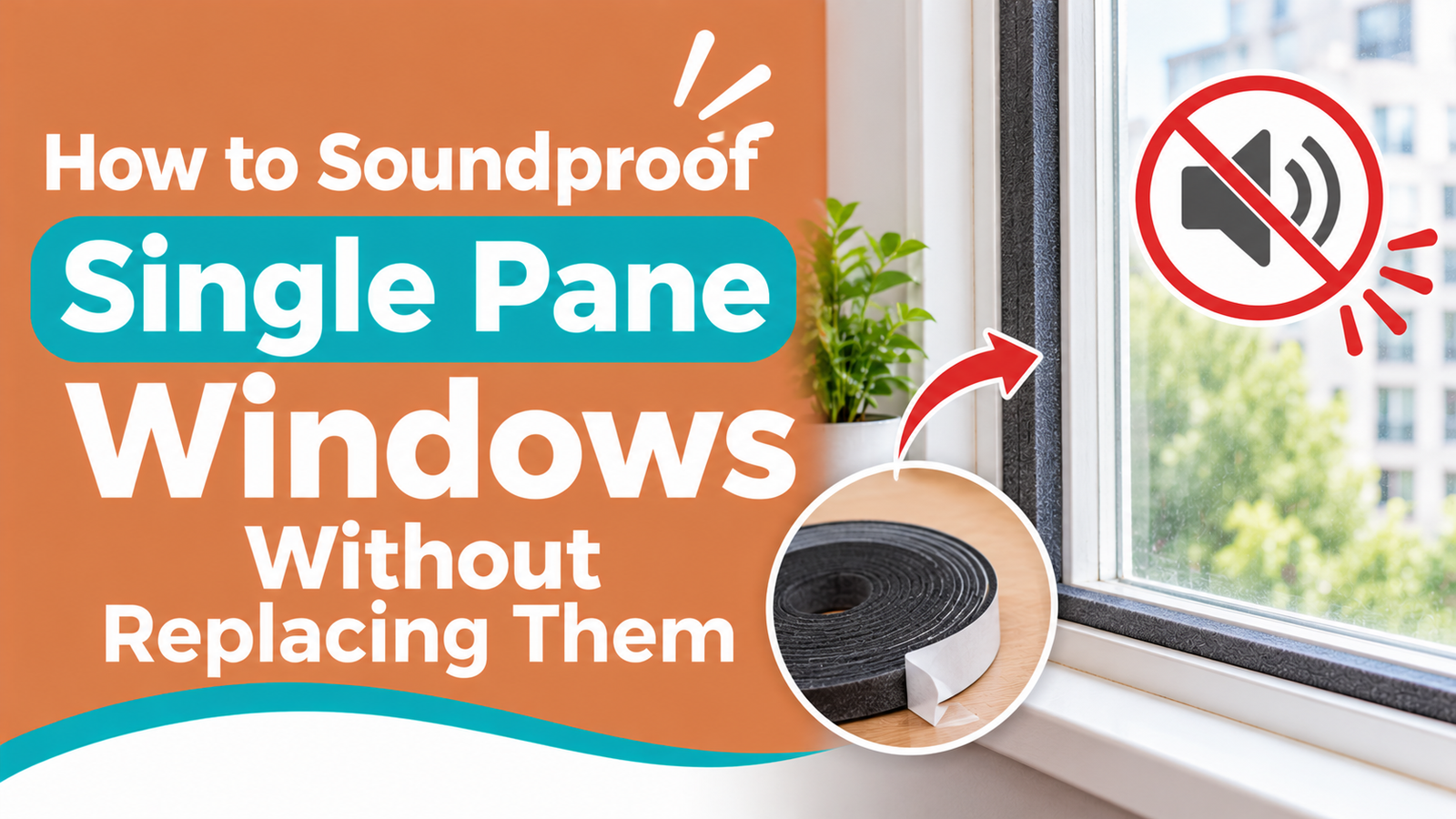
If you live on a busy street or near a noisy neighbor, you have probably wondered how to soundproof single pane windows without replacing them. Replacement is expensive, messy, and sometimes not even allowed if you rent or live in a building with strict rules. The good news is that you can cut a surprising amount of noise with a few practical changes, and most of them cost far less than new windows.
Single pane glass is thin, rigid, and tends to rattle. Sound passes through it easily, and it also sneaks around the edges through tiny gaps. So the plan is to seal the gaps, add mass, and create some air space between you and the outside. Here is how to do that in a sensible order.
Start With the Gaps
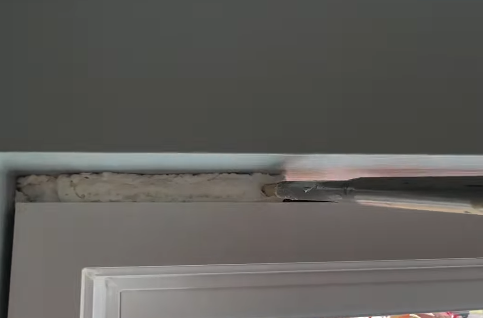
Before you spend money on anything fancy, check for air leaks. Sound travels through the same cracks that let in drafts. Close the window, turn off the lights in the room, and have someone shine a flashlight around the frame from outside. Any light you see is a leak.
Seal those gaps first. Acoustic caulk works well around the frame where it meets the wall, because it stays flexible and does not crack the way ordinary caulk can. For the moving parts of the window, such as the sash, use foam or rubber weatherstripping. Choose a dense one, since thin foam tape compresses over time and stops doing its job.
This step alone will not make your room silent, but it often makes a noticeable difference, especially for higher pitched sounds like voices and car horns.
Add Heavy Curtains
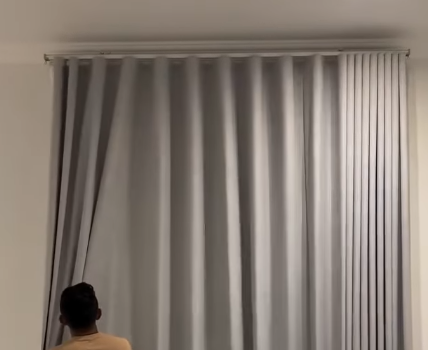
Thick curtains are the easiest upgrade and one of the most underrated. Look for curtains made from heavy fabric such as velvet or a dense blackout material. Some brands sell curtains designed specifically for noise reduction, with multiple layers inside.
A few tips make them work better. Hang the rod wider than the window, ideally extending several inches on each side, so the fabric covers the whole frame. Let the curtains reach the floor or close to it. And choose a fuller, gathered style rather than flat panels, because the folds help absorb more sound.
Curtains will not block low rumbling noise like trucks or bass music, but they take the edge off echo and mid range sound.
Try Window Inserts
If you want the biggest improvement without replacing anything, window inserts are the answer. These are acoustic panels, usually made of laminated glass or acrylic, that sit just inside your existing window. They create an air gap between the two layers, and that gap is what stops so much sound.
Professional custom inserts can be pricey, but they perform very well and many people report cutting outside noise by half or more. They also help with insulation, so your heating and cooling bills may drop a little too. If you are handy, you can find DIY insert kits that use acrylic sheets and magnetic or compression frames. These cost much less and are removable, which is great for renters.
For the best results, leave a gap of at least two inches between the existing glass and the insert. A wider gap handles low frequency noise better.
Use Soundproofing Film or Window Plugs
Window film is a lighter option. Some films add a bit of thickness to the glass and reduce vibration, which can help slightly. Do not expect miracles from film alone, though. It works best as a small boost alongside other methods.
Window plugs are another clever option. A plug is a dense, tightly fitted panel, often made from foam wrapped around a plywood or MDF core and covered in fabric, that you place into the window opening when you want quiet. They are excellent for bedrooms at night. The downside is that they block light and view, so they are not ideal for every room.
Build a Quick DIY Acoustic Panel
If you like projects, you can build a simple removable panel. Cut a piece of MDF to fit your window recess, attach a layer of mass loaded vinyl or dense acoustic foam, and cover it with fabric. Use weatherstripping around the edges so it fits snugly. Mass is the key ingredient here. The heavier and denser the material, the more sound it stops.
Make sure you can still open the window in an emergency, especially in bedrooms. Safety should always come before silence.
Do Not Forget the Room Itself
Even with a well treated window, noise can bounce around inside your room. Soft furnishings help a lot. A rug, upholstered furniture, and bookshelves filled with books all absorb sound. Placing a bookshelf against the wall with the noisiest window can also add a little extra buffer.
What to Expect
No single trick will turn a single pane window into a recording studio. The most effective approach is layering. Seal the gaps, hang heavy curtains, and add an insert or a plug. Together, these steps can make a room feel dramatically calmer, even on a loud street.
If your budget is tight, start with sealing and curtains. If noise is seriously affecting your sleep or work, invest in inserts. You will likely be surprised at how much quieter things get.
Frequently Asked Questions
What is the cheapest way to soundproof a single pane window?
Sealing gaps with acoustic caulk and weatherstripping, then adding thick curtains, is the most affordable combination. You can often do both for under fifty dollars and still see a real improvement.
Do soundproof curtains really work?
They help, but they have limits. Heavy curtains reduce echo and mid range noise, though they will not stop loud low frequency sounds. They work best when combined with sealing and another layer such as an insert.
Are window inserts better than replacing the window?
For noise, they can be just as effective or even better, especially when there is a wide air gap between the insert and the glass. They also cost less than full replacement and cause far less disruption.
Can I soundproof my windows if I rent?
Yes. Removable options like compression fit inserts, window plugs, heavy curtains, and temporary weatherstripping do not damage the property and can be taken with you when you move.
Will soundproofing stop all outside noise?
Not completely. The goal is to reduce it to a comfortable level. Combining several methods gives the best results, and the quieter the sound is to begin with, the more silent your room will feel afterward.

I’m Alex Morgan, a soundproofing researcher at Sound Proof Guides. I enjoy exploring practical ways to reduce unwanted noise, improve room acoustics, and make living spaces more comfortable. Through my articles, I share easy-to-follow soundproofing guides, DIY solutions, helpful tips, and product recommendations to help readers find the right solutions for their noise problems.